One word is all it takes for my brain to go off on a tangent.
Last weekend, Peter mentioned how the notion of palimpsests often came up in his classes at the AFI. It was a word I’d never heard before.
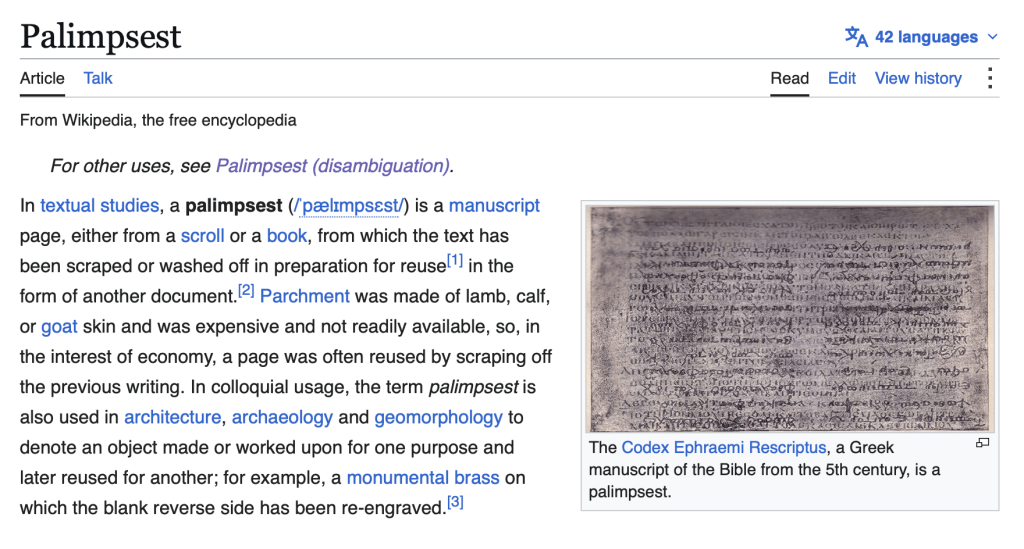
So what does a term (mostly) used to describe ancient manuscripts have to do with making films?
Well, both deal with manuscripts. In a sense.
In the film world, the screenplay is the blueprint for the eventual film. Its foundation. It lays out the story, yes, but also the film’s structure. Its rhythms. Its locations. The passage of time. Characters. Narrative point(s) of view. It can, implicitly or explicitly, suggest shots. A well written screenplay is a joy to read because you often feel like you’re watching the film in your head.
But a script is a script, and a film is a film.
While the film is the end product, the screenplay is a tool. A step of many in the process of making a film.
And so there are often discrepancies between screenplay and final film. From new discoveries (on location, from collaboration, in the cutting room) to constraints (time, budgets), it’s only normal that there’s an evolution from such an early step in the process.
Like Peter puts it, it’s not that the screenwriter “got it wrong.” It would’ve been wrong to stubbornly stick to mere words on a page despite discovering a much more effective method of conveying a story point.
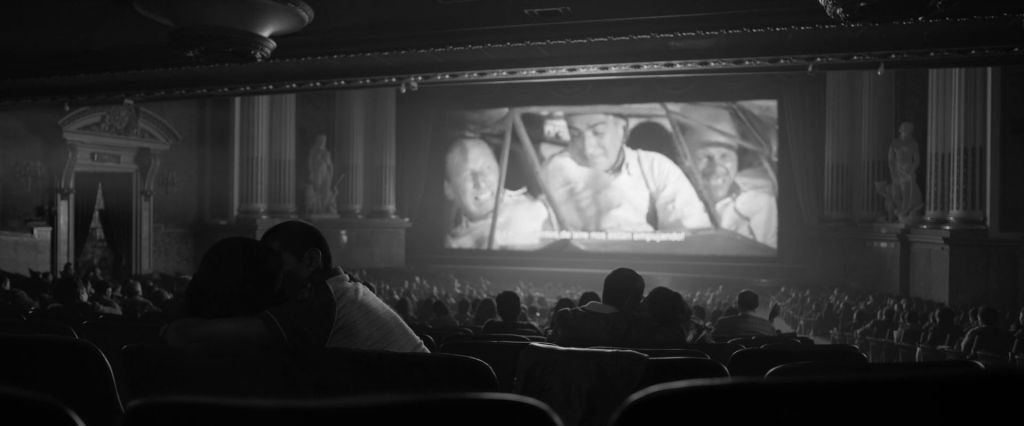
But I’d argue that the risk of palimpsests are much higher in animation.
(I’m speaking purely from personal experience, so there’s a bias there.)
In animation, we also tend to start with a screenplay. But from the screenplay we jump straight to the editing room — in many ways bypassing “the shoot” — via storyboards and animatics.
And here lies our first encounter with potential palimpsests.
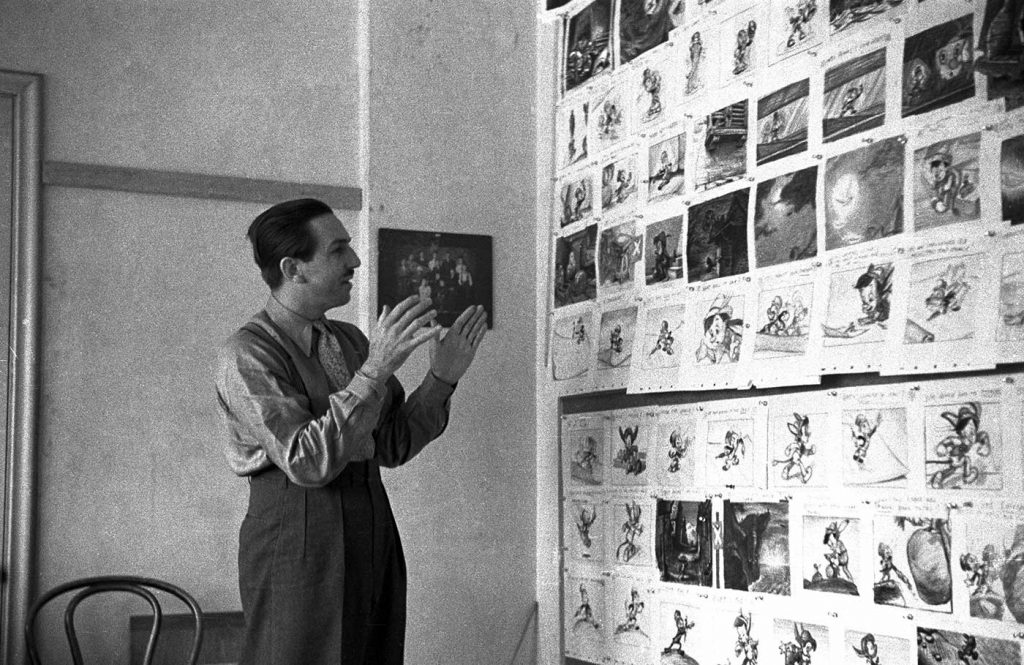
Because rarely does a storyboard artist’s first set of storyboard result in the final, locked and conformed animatic. From time constraints (too many panels, or worst: not enough) to sequence shuffling to creative tweaks to showrunner notes to back and forths with clients, the storyboards go through their own metamorphosis before emerging as an animatic, and the script is already a distant memory — though its core very much remains and animates the whole.
But because of this involved process, because of the many hands and many voices involved, the final storyboards risk having artefacts in them. Stray elements, things that don’t quite line up.
“Something else used to happen here, but the clients had a note.”
“You can ignore that pose.”
“That shouldn’t be in there.”
(Watch out for palimpsests!)
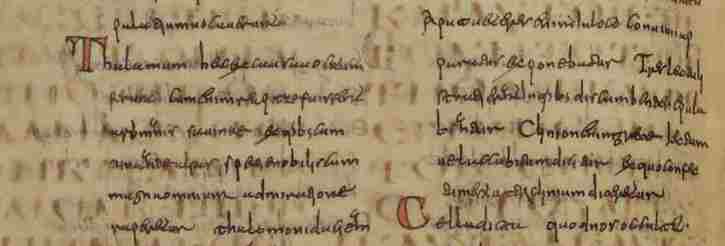
The boards aren’t set in stone. Like the script, they’re a living document.
But before the storyboards and animatics even make it to the animation department, the voice actors need to be recorded.
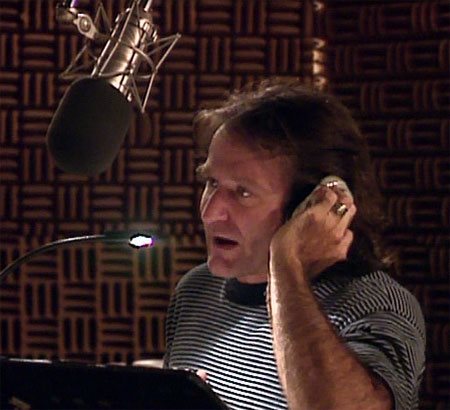
Although the storyboards have been drawn and timed out by an editor, the voice actors don’t see them. They work off a script. So it’s imperative that the director understand the nuances that the visuals require that may not be clear on the page at the recording session, and guide the actors towards them.
(Watch out for palimpsests!)
Or take the unexpected gold nuggets from the voice record session back to the literal drawing board and adjust the storyboards to match.
(Watch out for palimpsests!)
Okay, now we’re ready to animate.
…after a quick tangent.
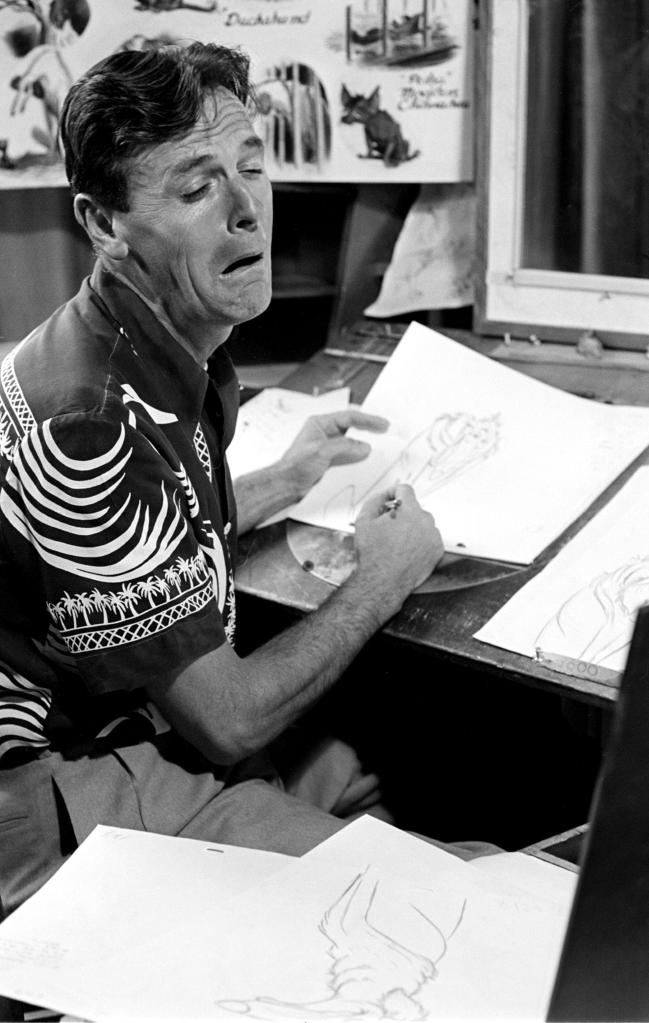
One of the unfortunate result of the animation industry in Canada having pivoted so hard to service work over the past couple of years (and there are many) has been the expectation from clients that the animation match the storyboards (I would say) to a fault.
Poses? Just like in the boards.
Expressions? Just like in the boards.
Timing? Just like in the boards.
Compare that to the in-house shows of my formative years as an animator where the general attitude was “We know you can make this better, and we expect you to.”
The step from storyboard to animation is a fascinating one, and the process of translating storyboards into a truly animated scene is one that doesn’t get enough consideration. For one, using board poses as they are and treating them like keys rarely work. Animation and storyboards are two different processes, despite both featuring drawings of characters.
As always, intent is everything.
And so the animation step becomes a palimpsest minefield.
Why match board poses when their mechanics haven’t really been worked out?
Why match a board expression when the voice actor is giving you something different?
I’ve often reminded animators that the audience doesn’t a have a clue what the storyboards looked like. Nor should they care.
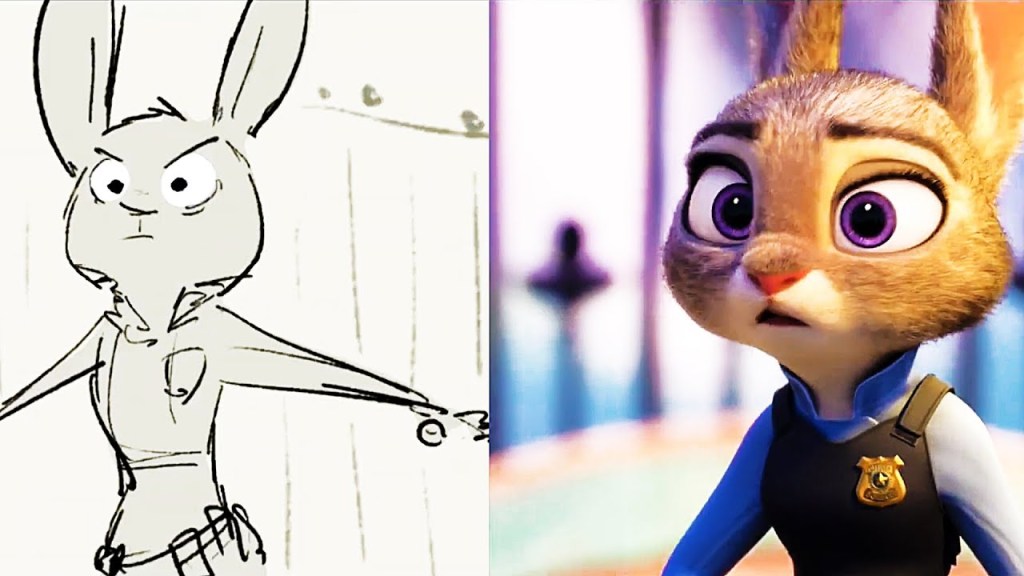
Which makes storyboard side-by-sides interesting…
If the two are overly similar, then either the storyboard department’s overstepping, or the animation department’s missing the mark. There should be a difference between the two. It’s healthier for everyone, and for the production itself.
But nothing’s more depressing than when the storyboards are more interesting than the animation.
The blueprint is meant to be built upon, but still shine through in the final product.

