IP. Intellectual Property.
What a word combination.
Play with it (and a thesaurus) for a hot minute, and you get a creepy and fairly accurate snapshot of the current times:
- Analytical Capital.
- Intelligent Assets.
- Logical Ownership.
- Theoretical Wealth.
How does that sound appealing to anyone except suits and bankers?! But in the age of the AI bubble, it’s no wonder the American entertainment industrial machine is obsessed with IP.
Says Steven Spielberg at Cinemacon 2026:
If all we make it known, branded IP, we’re going to run out of gas, and we’re going to run out of gas very quickly.
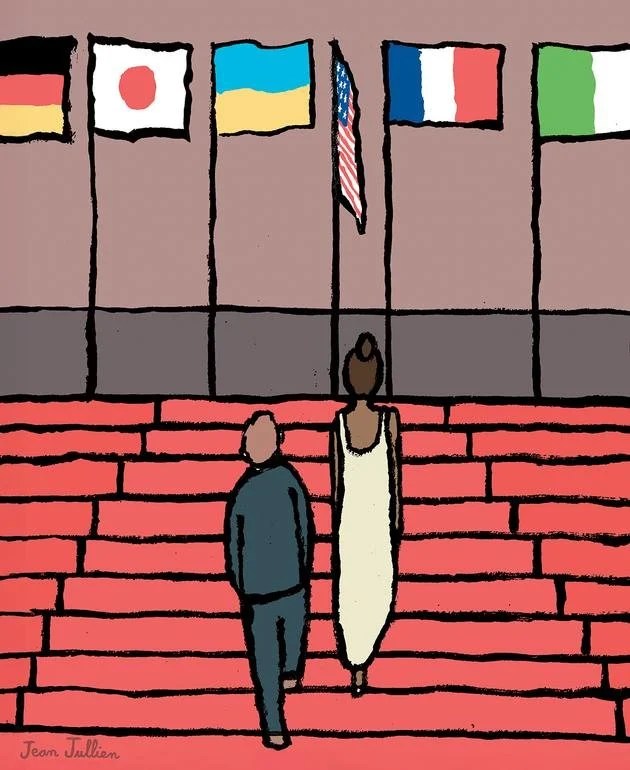
Which came first, the tech bro takeover of the entertainment industry or an obsession with IP?
Although it can feel like we’re in a unique situation, much of what’s happening in the industry is a reflection of the overall economy. As economic uncertainty rises, so does an aversion to risk. Enter remakes, the choice to invest in pre-established property, and vertical integration (making cartoons to sell toys, anyone?)
We’ve been here before.
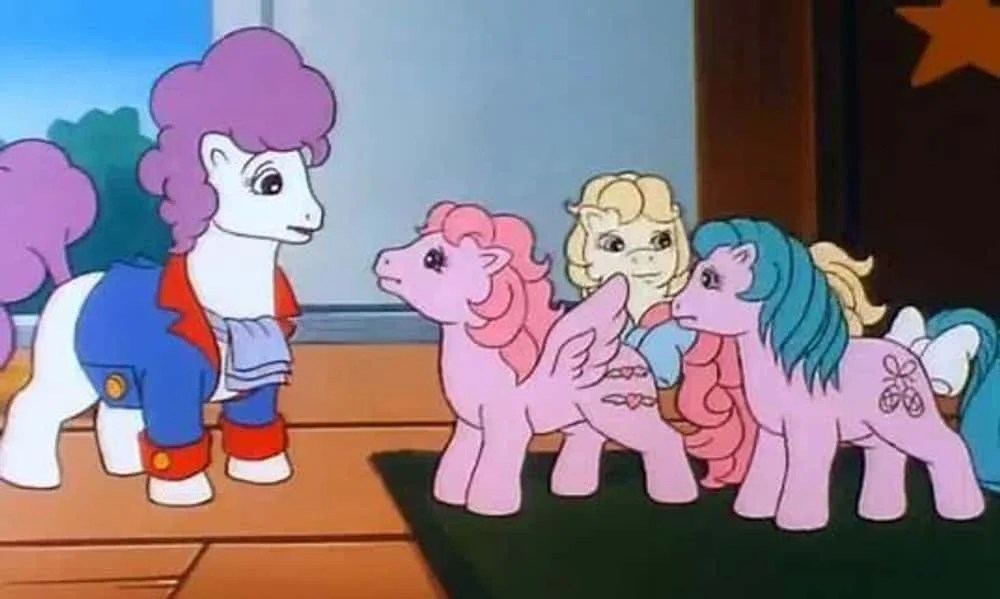
From the 1980s recession…
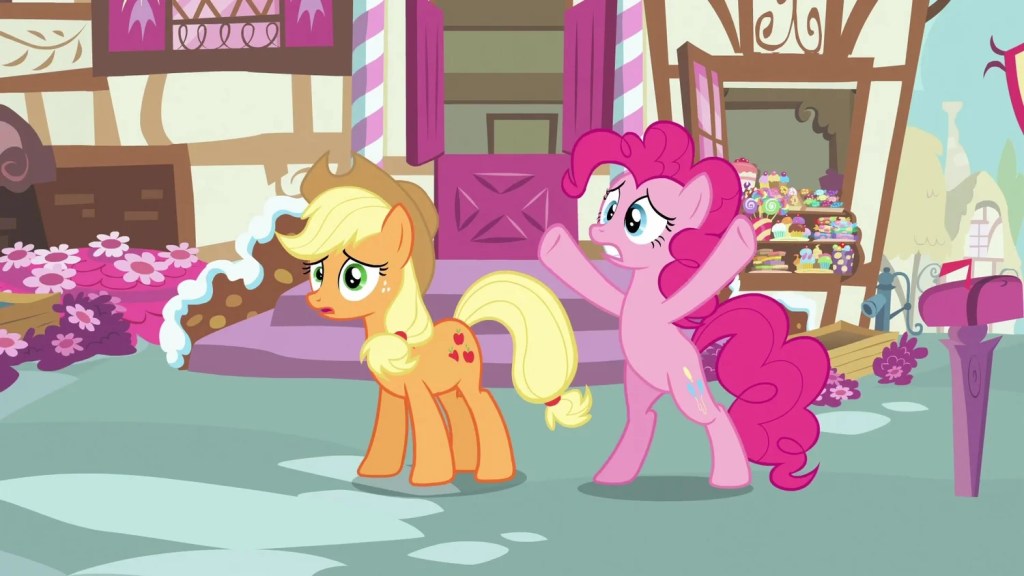
…to the 2008 financial crisis…
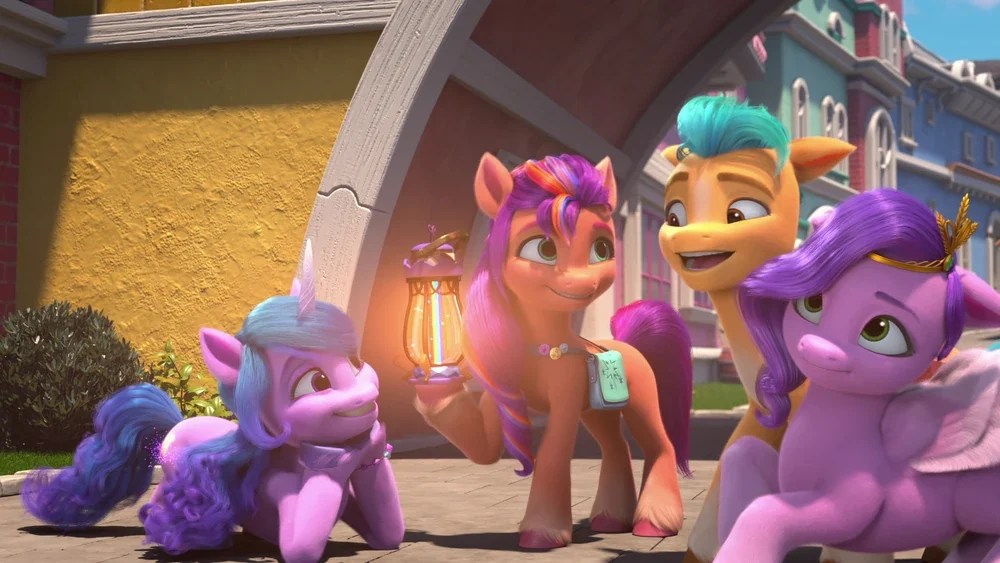
…to the post-2020 covid/strikes*/AI mess that we find ourselves in now.
Of course, you could also look back further at the transitions and adaptations that emerged from the advent of new technologies. From the transition from the big screen to the small one (both TV to mobile and cinema to TV!) And from black and white to colour before that. And from silent to sound before that. And the evergreen book to screen adaptations…
It makes sense that the Criterion Chanel had enough material to curate a series of 80s remakes recently. That’s how I learned that À bout de souffle was remade (?!!)
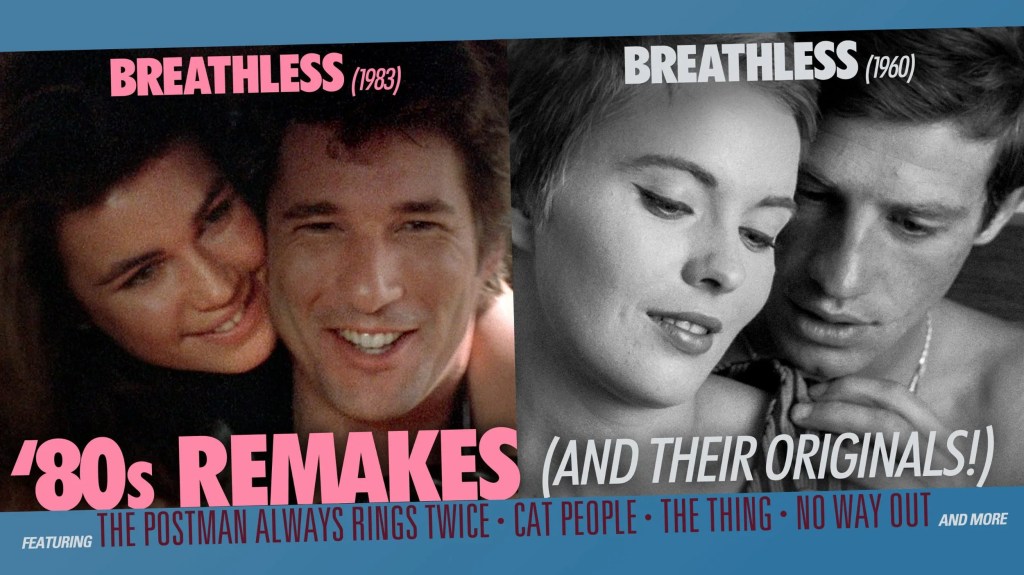
Did I watch it? No. Will I ever? Probably not? À bout de souffle is a favourite and a formative film experience for me. To remake something like that feels… not to be overly dramatic, but it feels sacrilegious.
Why? Just… why?
I mean, we all know why.
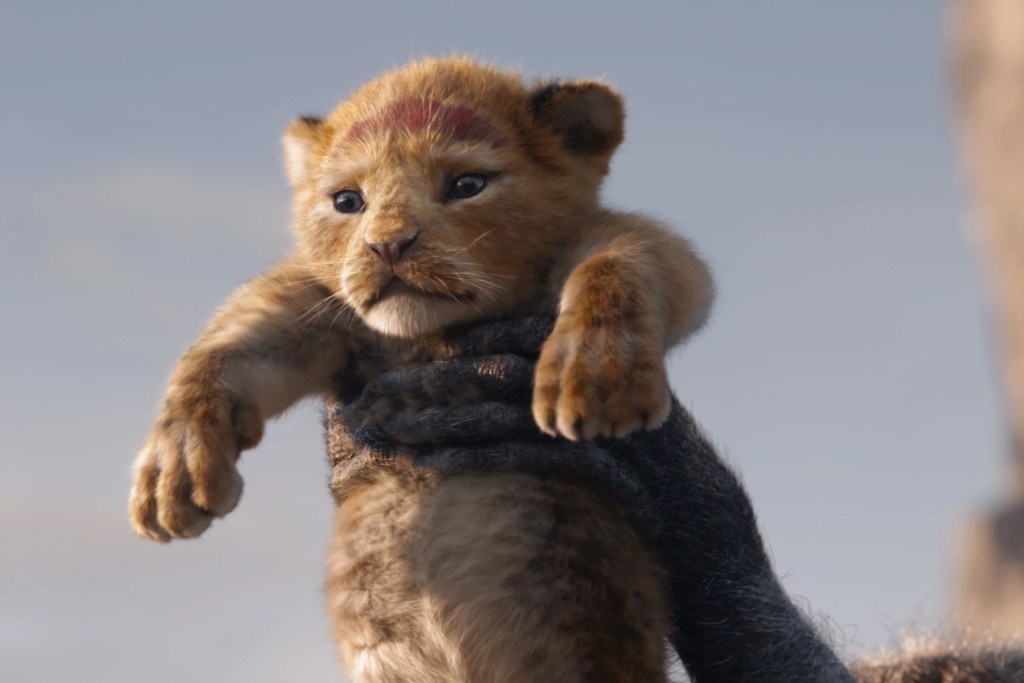
It’s the same reason why we’re getting a new live-action Disney remake every year. Who’s asking for them? Apparently enough people for the math to add up. And it helps that the screenplay, the character development, and even the shots and performances have all already been figured out. And, fun fact! The writers, designers, storyboard & layout artists, animators, and directors who did all that work not only don’t get any residuals, they don’t own any part of their work. It’s literally free for the taking mining.
And yet…
Compare The Lion King (2019) to Kurosawa’s Throne of Blood (1957).
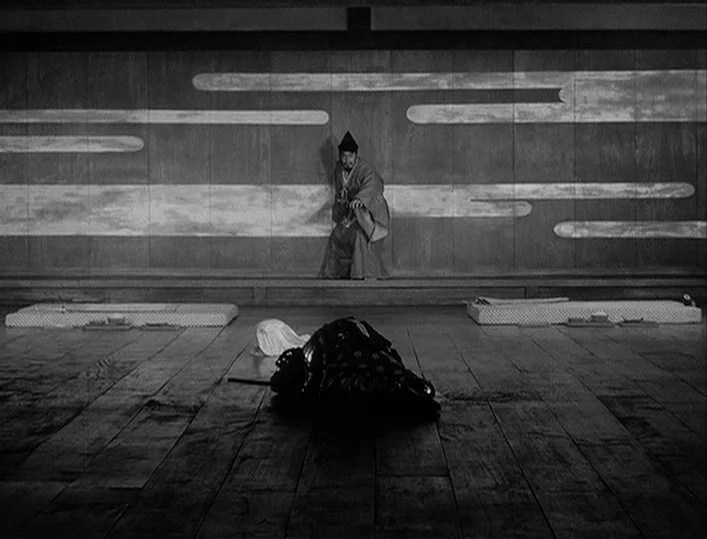
Yes, it’s Macbeth, but it’s more than just a superficial adaptation (“Macbeth, but in feudal Japan!”) From the dramatic finale to Banquo/Miki’s ghost, he fully takes advantage of the medium of film in order to tell the story in a way that never could be done on stage. He took the skeleton of a Shakespeare play and very much brought his own language to it, in more ways than one.
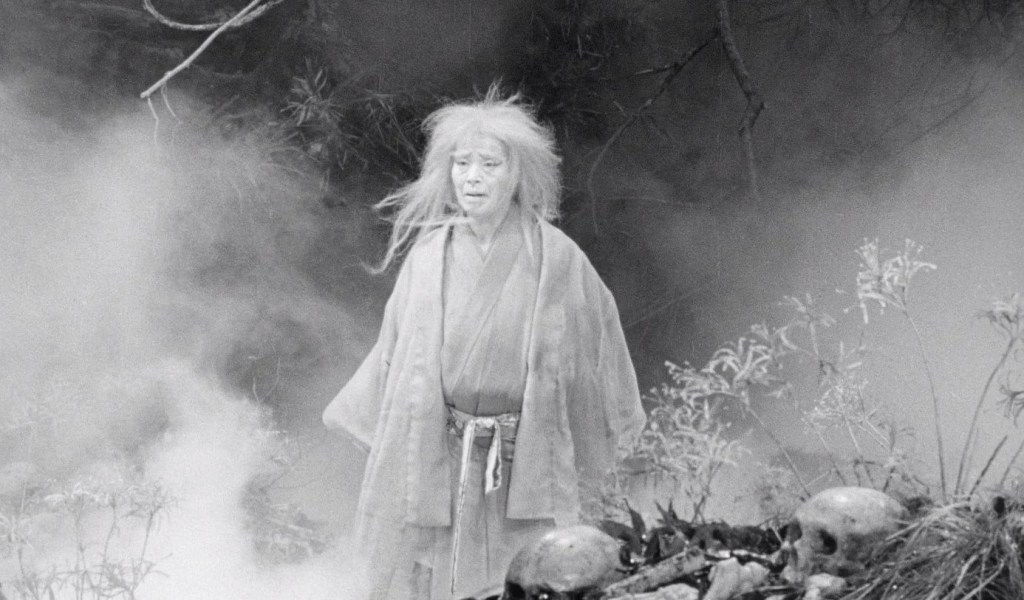
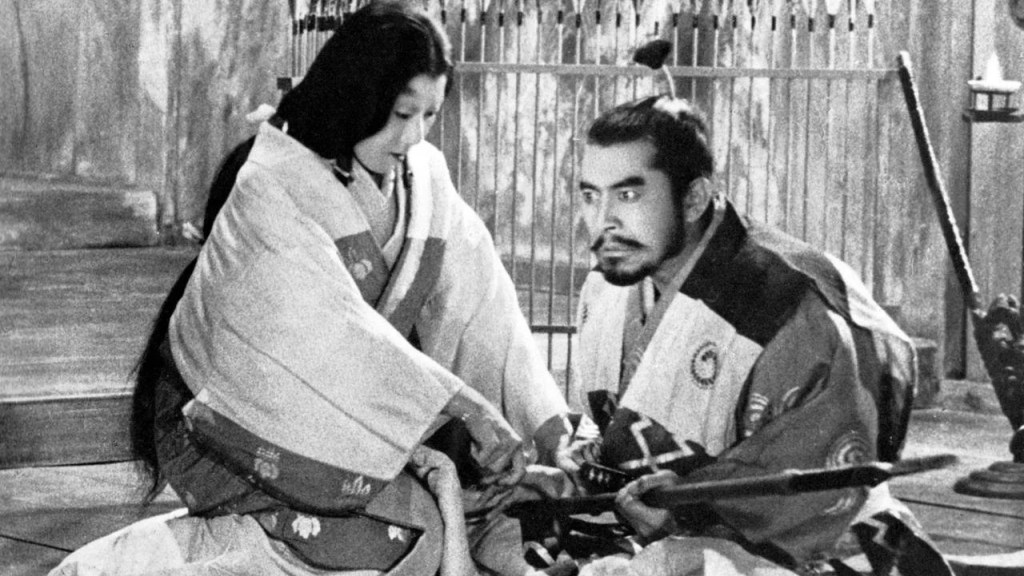
The result is fascinating to experience. Even if you know the story of Macbeth, you’re invested. You may know, broadly, what’s going to happen. But you don’t know how.
I think there’s something to be said about theatre here, as well. Plays are meant to be repeated. Think not only of how a show has a run of multiple representations, but also of how it can be interpreted by different theatre companies. The same script, word for word, can result in vastly different character interpretations and, consequently, in vastly different experiences for the audience.
I’m also reminded of Universal Language (2024), a film that pays homage to the films of Abbas Kiarostami.
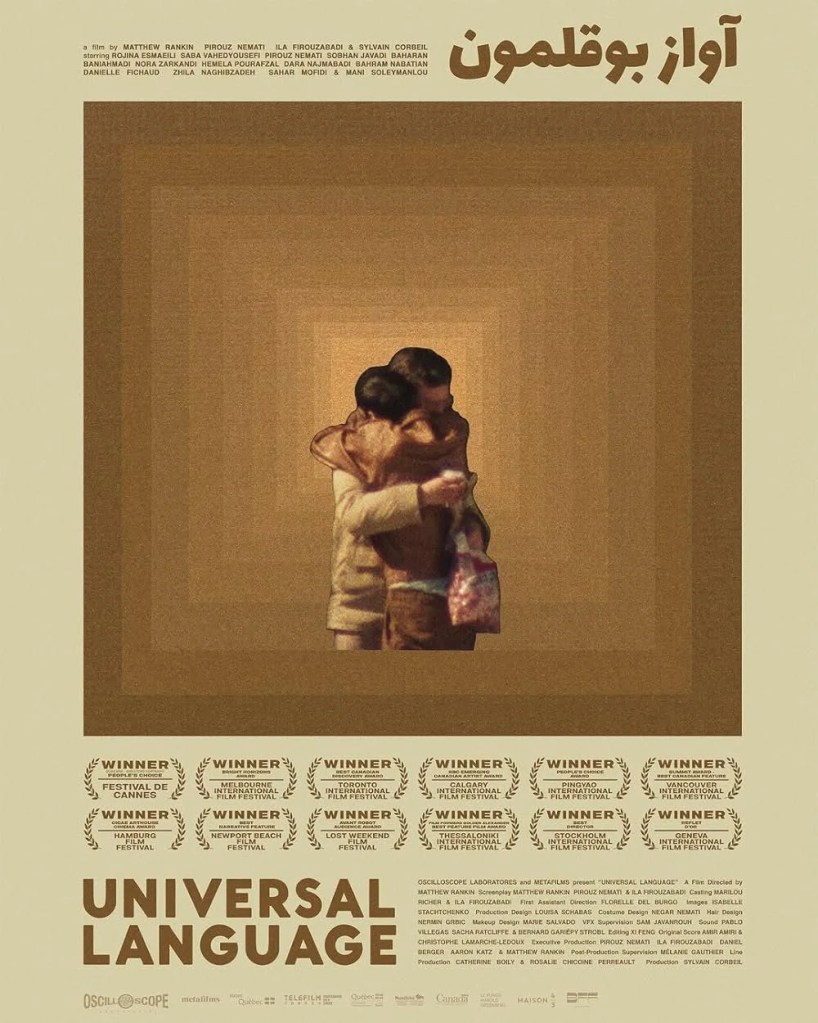
It’s the kind of film that easily could’ve pissed me off. Like À bout de souffle, Abbas Kiarostami’s films feel precious. I don’t want them to be fucked with.
But Matthew Rankin incorporates them into his film in an incredibly respectful way. Like Kiarostami’s films themselves, their inclusion is more poetic than literal.
Their echoes are there, but only if you know to look for them.
And if you don’t, the film stands on its own legs. It says and does its own thing.
While I knew that the film blended Persian influences with Canadiana, the whole Kiarostami thing was a surprise for me when I saw the film for the first time.
Thankfully it was a pleasant one.
So.
What happens when an IP is rebooted?
What happens when elements of the original are changed for change’s sake? To make it new and shiny?
There’s an arrogance there, isn’t there?
Isn’t changing something implying that part of the original was “wrong”? Wasn’t “good enough”? And who says that changes will attract new viewers? Is it at the expense of frustrating fans of the original?
What made the original a hit in the first place? Can it ever really be known? Can it be rationalized? Turned into a science?
What happens to works when its original creators are no longer with us?
As with most things, it all very much boils down to intention.
* If anyone tells you that the industry is in the shape that it’s been in since the WGA and SAG strikes, first take a second to clock who you’re talking to. The entertainment industry’s transition to streaming means that most “studios” are now small slices of much bigger companies. Think of Amazon, Apple, and even Disney. A successful movie or series is peanuts compared to the revenue from their other divisions. Streaming was a fun side project. But for the last couple years, there’s been a new trend these companies have been chasing…

