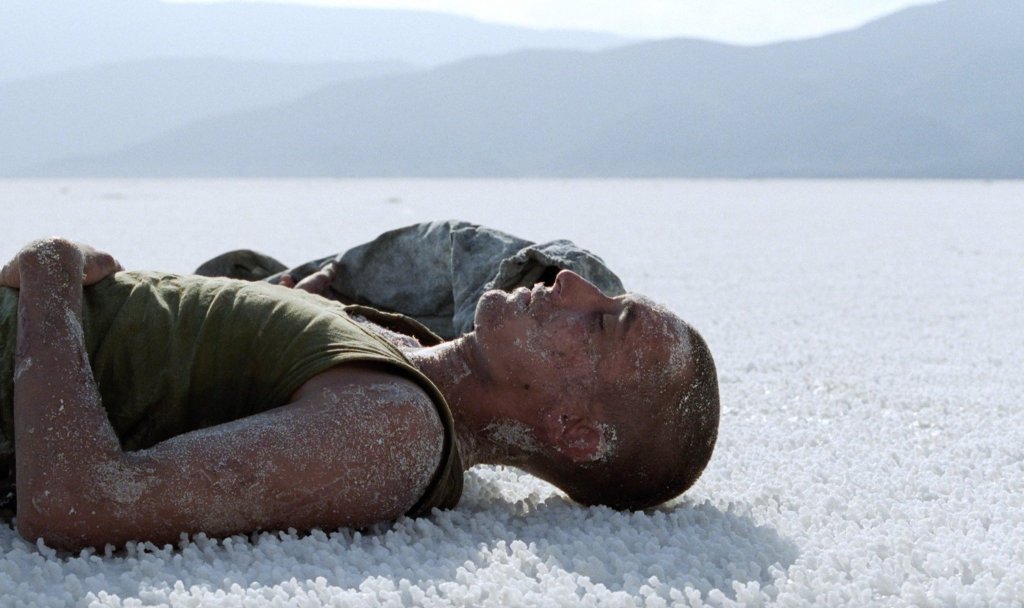
I consider my Letterboxd Top 4 to be something of a living organism, always free to change and evolve, but I suspect that Beau Travail will always have a home there (along with an entry by Abbas Kiarostami. Right now? It’s Where is the Friend’s House?)
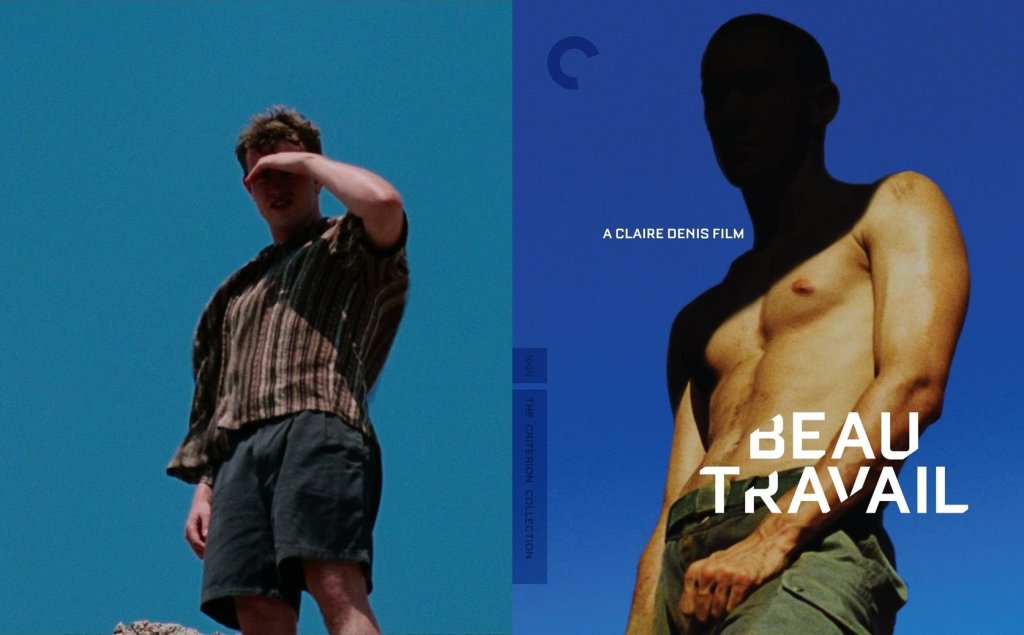
Much has already been said of Claire Denis’s 1999 masterpiece, so I won’t go too deep into things. A loose adaptation of Herman Melville’s Billy Budd, the French Legion replaces the Royal Navy and the sets are shared between the arid landscapes of Djibouti and Marseille. Beautifully shot by Agnès Godard, it’s a visual treat and an exploration of the female gaze.
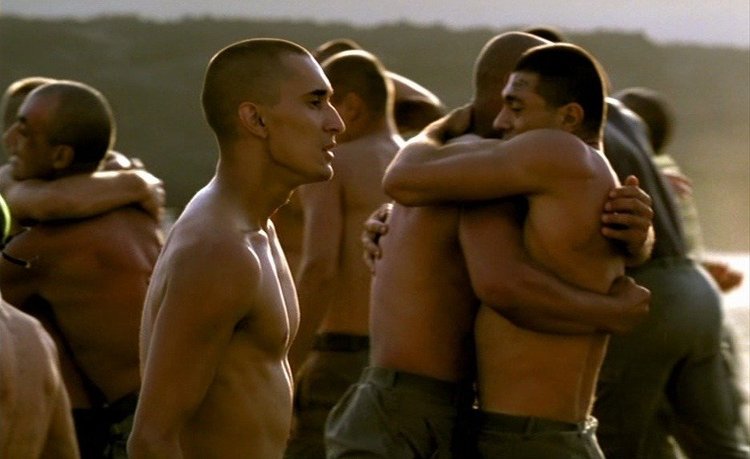
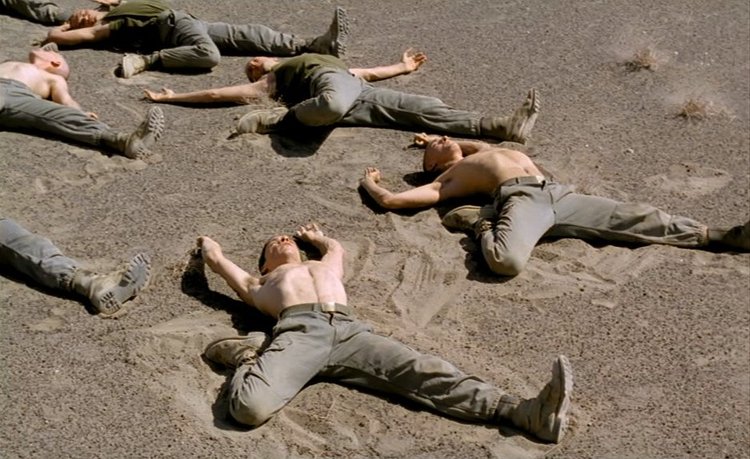
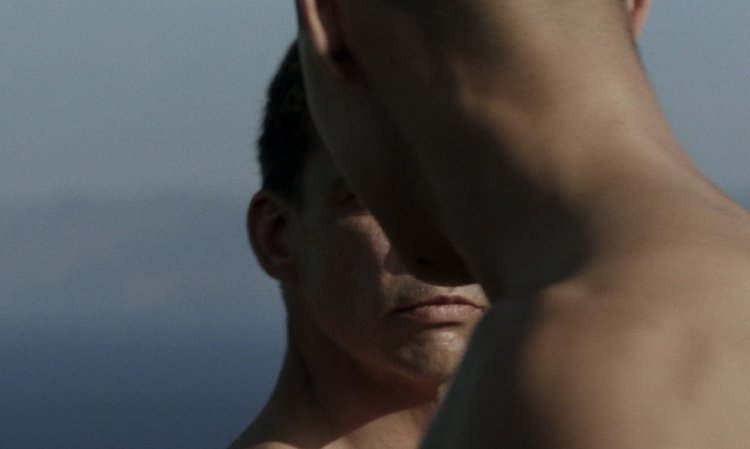
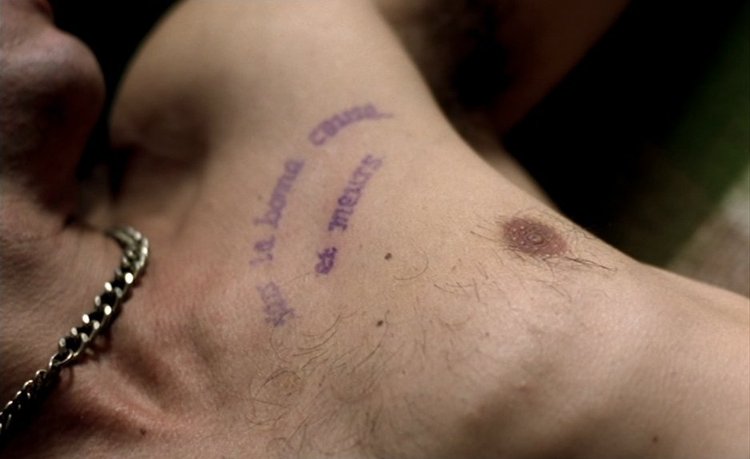

While women aren’t totally absent from the film, it is a mostly male affair.
Their absence for the majority of the film, and especially at the camps, can’t be ignored. It becomes glaring.
Paradoxically, that absence becomes a presence.
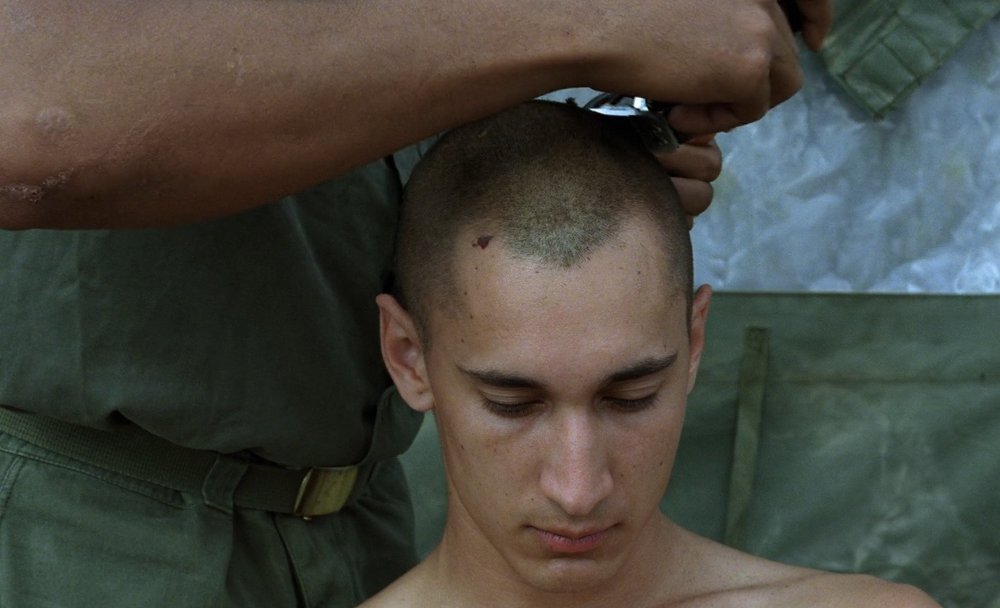
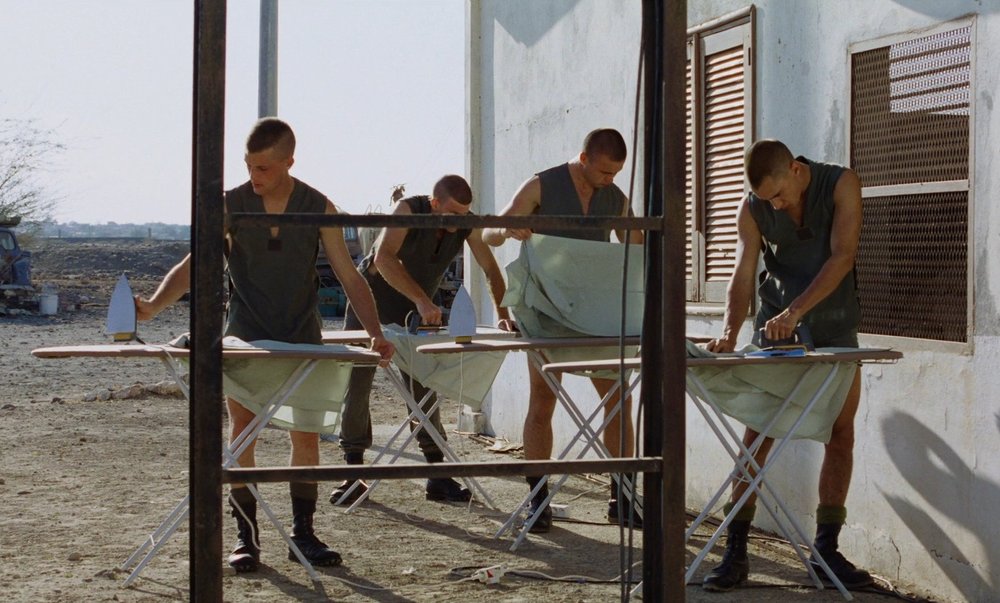
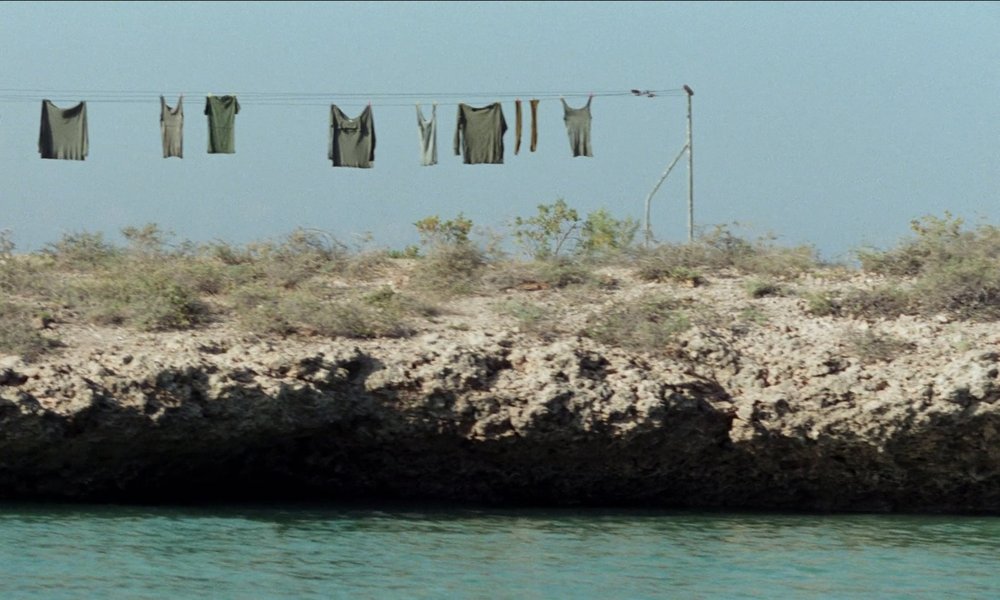
Among others, the film begs the question What does it mean, to be a man?
It also has one of the best endings in cinematic history.
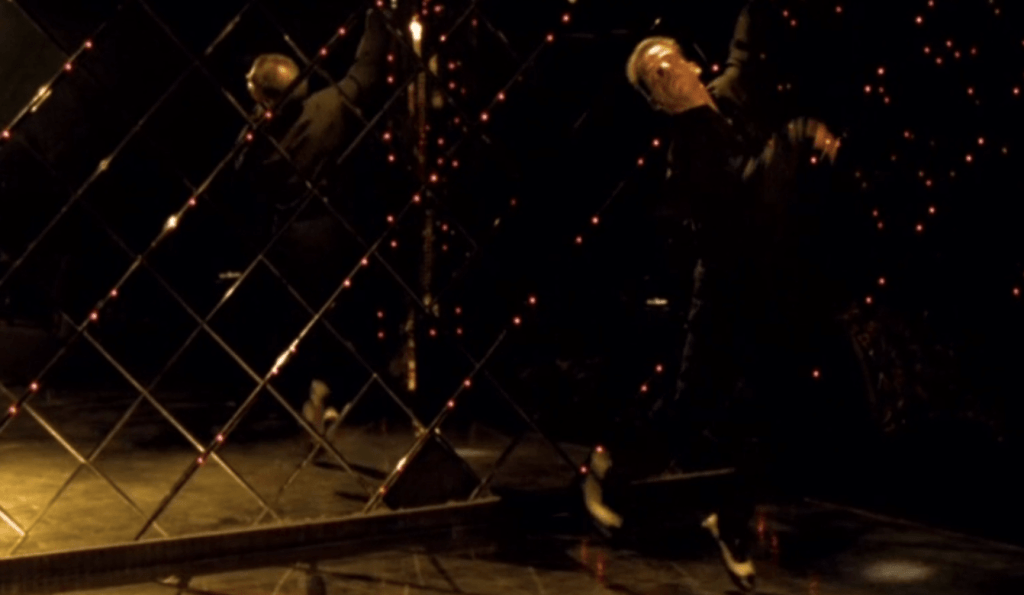
It’s striking. It’s desperate. It’s hopeless in its exuberance.
And although it seems to come out of nowhere, it makes perfect sense, narratively. The whole of the film builds up to it.
It also builds up to it visually.
As you watch this sequence, you can’t help but notice the mirrors. We’ve seen them before.
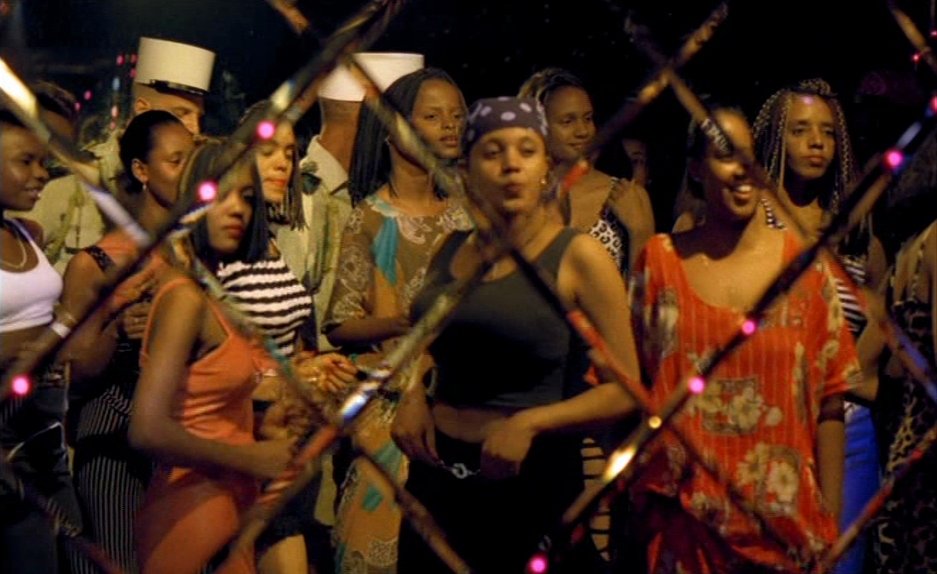
And there’s something familiar about that pattern, too. That diamond motif?
We’ve seen it before too, haven’t we?

Bingo.
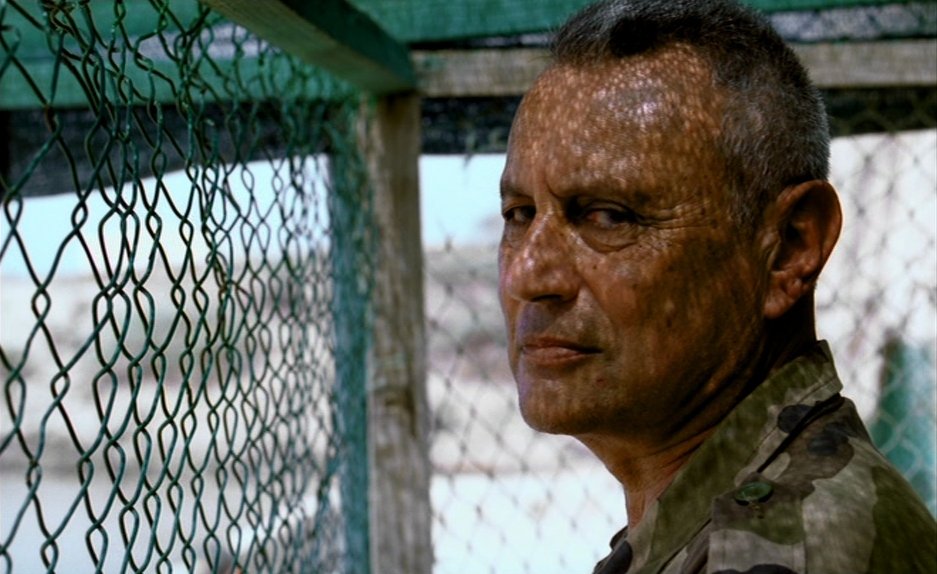
Chills.
Beau Travail is one of those films that really made me appreciate how lucky we are in animation. Since we have to build everything from scratch (be it in 2D or in 3D), it’s so much easier for us to be intentional.
In theory.
 MÉLANIE DAIGLE